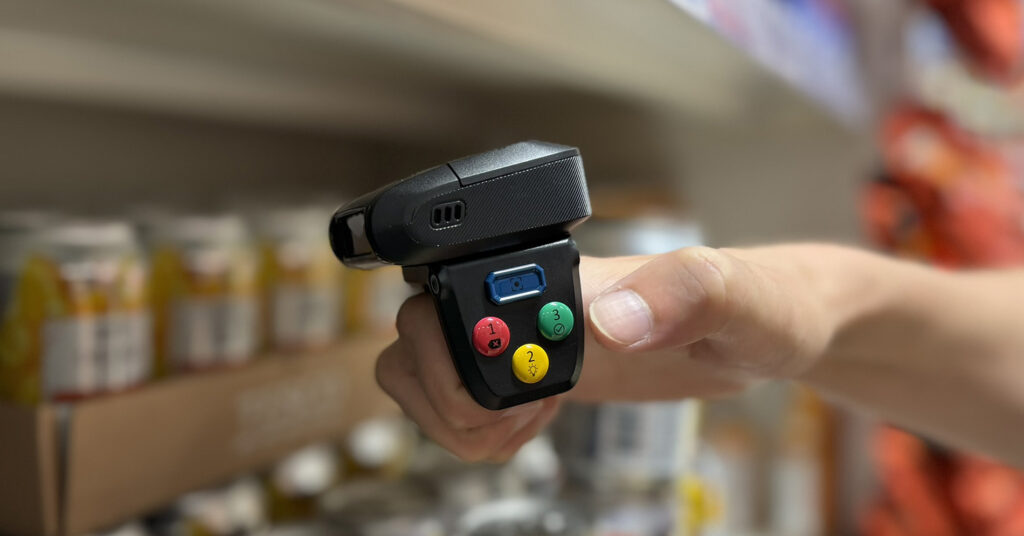

From uncovering shrinkage to improving stock accuracy, routine counts deliver critical insights that help you reduce loss and increase efficiency across your retail or warehouse environment.
What Is a Stock Count—and Why Does It Matter?
In retail and warehouse settings, stock refers to the full quantity of goods your business has on hand for sale or distribution. A stock count is the process of physically verifying those items to ensure that what’s on your shelves—or in your stockroom or fulfillment center matches what’s recorded in your stock system or ERP.
Businesses may schedule annual physical stocktakes, perform quarterly cycle counts, or implement rolling inventory audits depending on the complexity and velocity of their stock. Regardless of cadence, the goal is the same: catch discrepancies early and keep stock data aligned with reality.
5 Reasons Your Business Needs Regular Stock Counts
1. Detect Theft and Address Stock Shrinkage
Shrinkage due to shoplifting, internal theft, misplacement, or damaged goods is a major driver of stock loss. Regular stock counts help identify unusual variances and alert you when it’s time to audit your loss prevention strategy. These audits also expose breakdowns in warehouse processes, such as incomplete receiving, incorrect picking, or mislabeling during fulfillment.
✅ Pro tip: Compare cycle count results with system data to isolate recurring shrinkage issues.
2. Stay on Track with Business and Financial Goals
Unexpected gaps in stock can throw off your financial statements, impact revenue forecasts, and distort purchasing strategies. Regular counts help ensure that your stock valuation is accurate, which is essential for closing your books, meeting performance targets, and making informed investment decisions.
💡 Stock variances caught mid-quarter are much easier (and less costly) to resolve than those discovered during year-end closing.
3. Identify Top and Underperforming Products
Stock counts offer insights beyond simple stock numbers. Reviewing stock movement during audits can show which products are flying off the shelves and which are stagnating. This data informs:
-
Stock reordering thresholds
-
Shelf placement or promotional adjustments
-
Product markdown decisions
You’ll spot overstocked items that tie up cash flow and identify hot sellers before they run out.
📦 Low stock levels may indicate strong demand—or a potential restocking delay.
4. Optimise Stock Replenishment and Fulfillment
Stock counts prevent stockouts and overstocking by showing you what’s actually on hand. In many cases, your system may say an item is in stock, only for a count to reveal it was never delivered, incorrectly received, or already picked without being recorded.
Regular reconciliation helps:
-
Correct system discrepancies
-
Prevent fulfillment errors
-
Improve warehouse picking and replenishment workflows
🔄 Stock accuracy is key to fulfilling online and in-store orders without delays or cancellations.
5. Improve Pricing and Profitability Strategies
Stock audits give you a chance to evaluate sales velocity and gross margin performance per item. With the right data, you can:
-
Adjust pricing to reflect demand
-
Phase out underperforming SKUs
-
Avoid unnecessary markdowns
-
Identify bundled product opportunities
A well-timed count gives you leverage to fine-tune your pricing strategy and boost ROI per square foot in the store or per bin location in the warehouse.
Final Takeaway: Stock Counts Are Not Optional
Routine stock counts are a powerful business tool. They:
-
Reduce shrinkage and prevent theft
-
Improve fulfillment accuracy and customer satisfaction
-
Enhance stock control and warehouse productivity
-
Provide insights for smarter purchasing and pricing
-
Ensure clean financial reporting
Whether you’re running a storefront, managing a warehouse, or overseeing a distribution centre, regular stock counts are the backbone of operational success. Don’t treat them as a once-a-year task—make them part of your ongoing business routine.
Need help building a reliable stocktaking process? Let us show you how scheduled stock counts can help streamline operations and drive profit.