
Understanding Retail Theft – A Complex Problem
Retail theft isn’t just about criminal activity; it encompasses a range of activities, from petty theft and shoplifting to organised retail crime (ORC) and employee theft. The motivations behind these actions vary, including financial hardship, addiction, or participation in organised criminal networks. Understanding the type of loss you’re facing is the first step in developing a targeted prevention plan.
Key Areas of Loss and How to Tackle Them
-
Operational Losses: These often stem from errors in processes like inventory management, handling cash, and order fulfillment.
- Robust Inventory Management: Implement a system like RFID (Radio-Frequency Identification) technology, to track stock in real-time. This allows for immediate identification of discrepancies and reduces the opportunity for stock to go missing. Regularly reconcile stock counts with sales data.
- Cash Handling Procedures: Enforce strict cash handling protocols – limited access to cash, frequent reconciliation, and video surveillance in cash-handling areas.
- Order Fulfillment Accuracy: Double-check all orders before dispatch to minimise errors and potential losses.
-
Shoplifting and Theft: This represents a significant challenge, demanding a multi-layered approach.
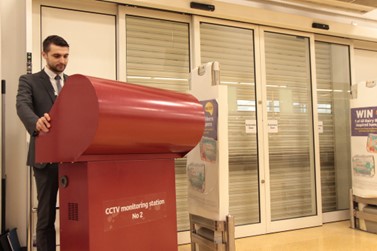
- Visible Security Measures: Simply having visible security measures – such as security guards, CCTV, and prominent signage – can deter thieves.
- Strategic CCTV Placement: Install cameras covering high-risk areas (entrances, exits, high-value merchandise, cash registers) with clear signage indicating surveillance. Ensure cameras have sufficient resolution and are regularly monitored.
- Loss Prevention Personnel: Trained loss prevention officers can actively monitor customer behavior, identify suspicious activity, and intervene effectively.
- Anti-Shoplifting Technology: Consider utilising technologies like EAS (Electronic Article Surveillance) tags, anti-theft gates at exits, and potentially even AI-powered analytics to identify patterns of suspicious behavior.
-
Employee Theft and Fraud: Internal threats can be devastating.
- Background Checks: Conduct thorough background checks on all potential employees.
- Clear Policies and Procedures: Implement clear policies regarding inventory management, cash handling, and expense reporting.
- Regular Audits: Conduct regular internal audits to detect any irregularities.
- Separation of Duties: Divide responsibilities among staff to minimise the risk of a single person abusing their position.
-
Proactive Strategies for How to Prevent Theft in Retail Store
- Merchandise Display Strategies: Avoid displaying high-value items in easily accessible areas. Use secure displays and consider reducing the number of high-value items on display.
- Customer Engagement: Friendly and attentive customer service can deter theft. Staff who are engaged and approachable are more likely to notice and report suspicious behavior.
- Staff Training: Training all staff, from floor staff to management on loss prevention techniques, including how to identify and respond to suspicious activity, is a key component in how to prevent theft in retail store.
Creating a Loss Prevention Culture
- Employee Training: Train all staff, from floor staff to management on loss prevention techniques, including how to identify and respond to suspicious behavior.
- Customer Service and Engagement: Friendly and attentive customer service can deter theft. Staff who are engaged and approachable are more likely to notice and report suspicious behavior.
- Regular Risk Assessments: Conduct regular risk assessments to identify vulnerabilities in your store’s layout, security measures, and procedures.
Beyond the Basics – Proactive Strategies
- Merchandise Display Strategies: Avoid displaying high-value items in easily accessible areas. Use secure displays and consider reducing the number of high-value items on display.
- Partnerships and Information Sharing: Collaborate with local law enforcement and industry groups to share information about organised retail crime and emerging threats.
Conclusion
Effective loss prevention isn’t just about reacting to theft; it’s about building a proactive, layered security system that minimises vulnerabilities and creates a culture of vigilance. By combining robust operational procedures with targeted security measures and a committed team, retailers can significantly reduce losses and protect their bottom line.